
Junior
Junior Art
Foundational drawing, color sense, and exploring materials. Children build real technique without losing confidence — free to make what they want, taught the fundamentals properly.
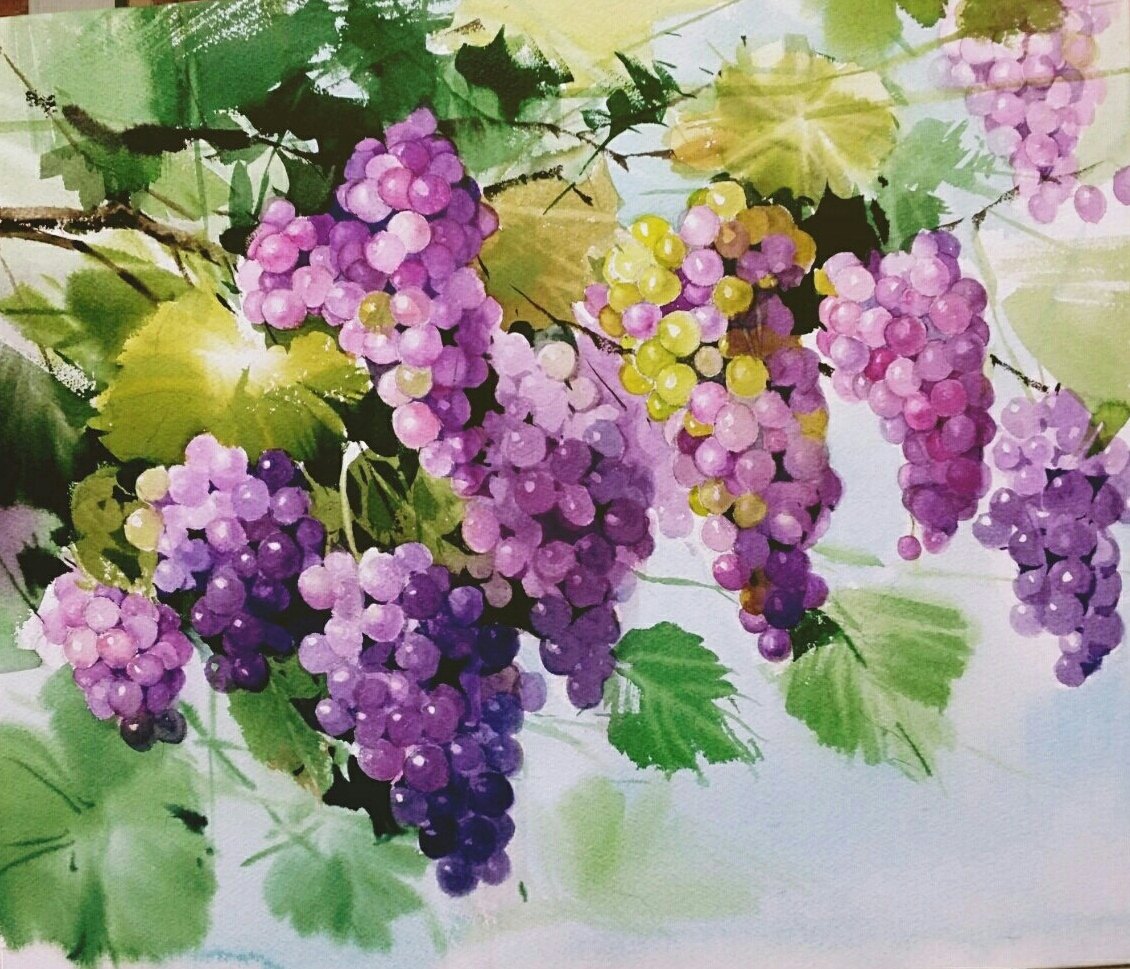
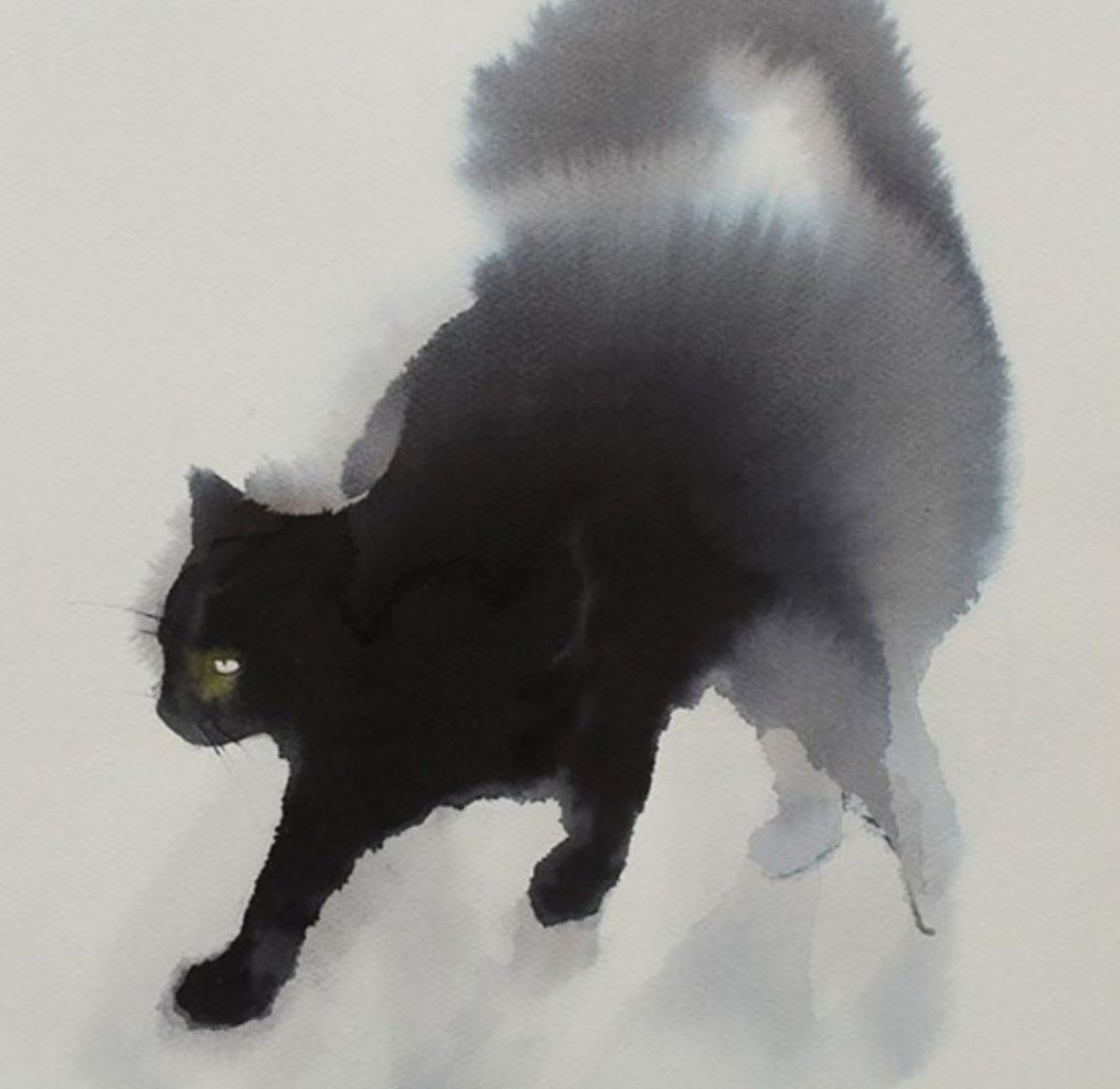
Basic drawing, advanced sketching, watercolor, oil, acrylic, and traditional Korean folk painting. You can learn to draw at nine or at seventy-nine.
For over twenty years people have walked in and told us they have no talent for drawing. Most of them are making work they are proud of within a few months. It was never talent they lacked — it was instruction.
Every class starts with observation — line, proportion, value, and the gap between what the eye actually sees and what the brain assumes it knows. Medium and personal direction come after that foundation is in place.
In the same studio a child learns to hold a pencil, a high-school student assembles a college portfolio, and a retiree picks up a brush for the first time. That mix is what makes the room work.
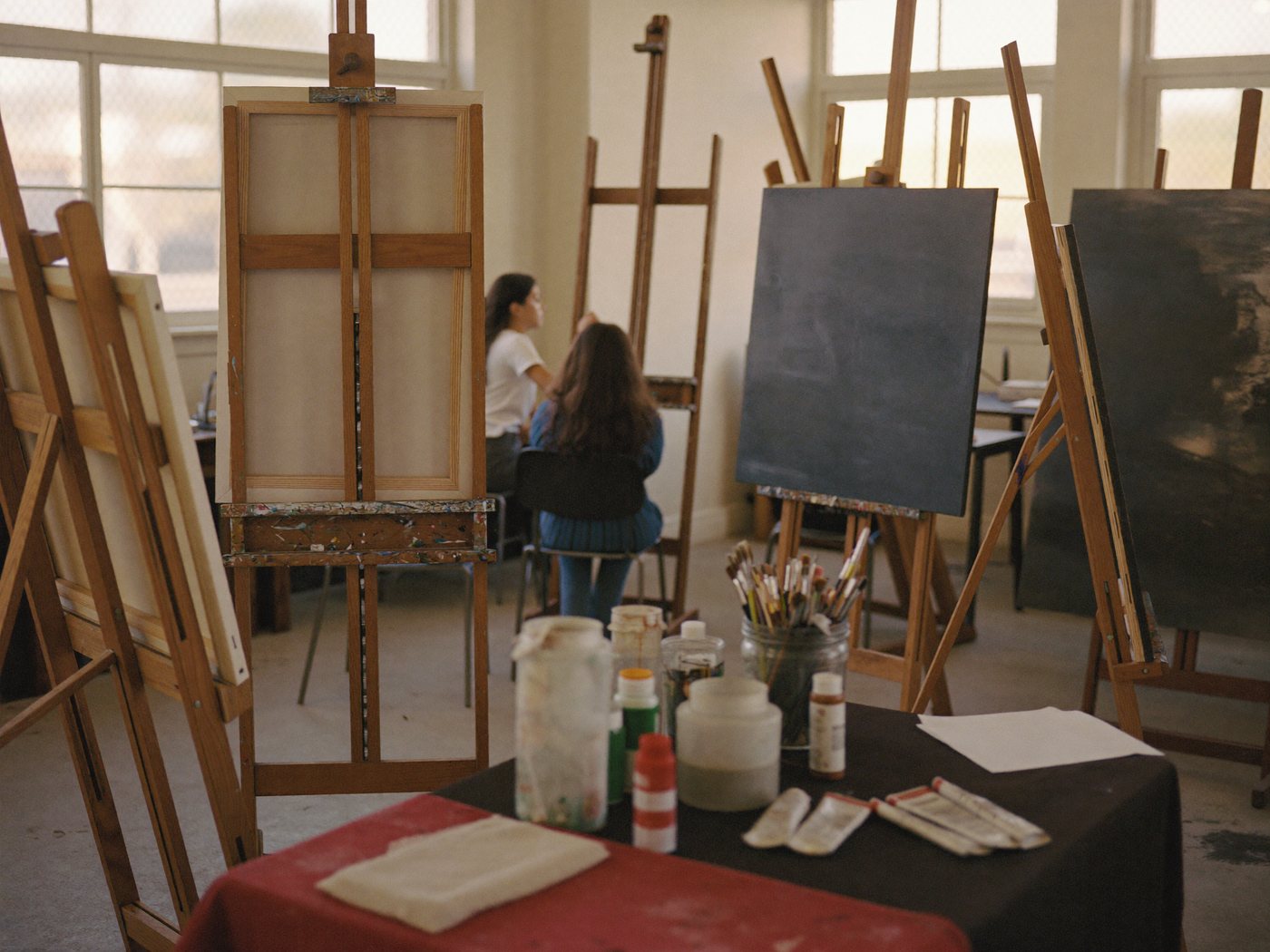
Foundational drawing, color sense, and exploring materials. Children build real technique without losing confidence — free to make what they want, taught the fundamentals properly.
Portfolios built around the specific schools and majors a student is applying to. Observational work, sustained thematic pieces, selection and presentation — planned backward from the application deadline.
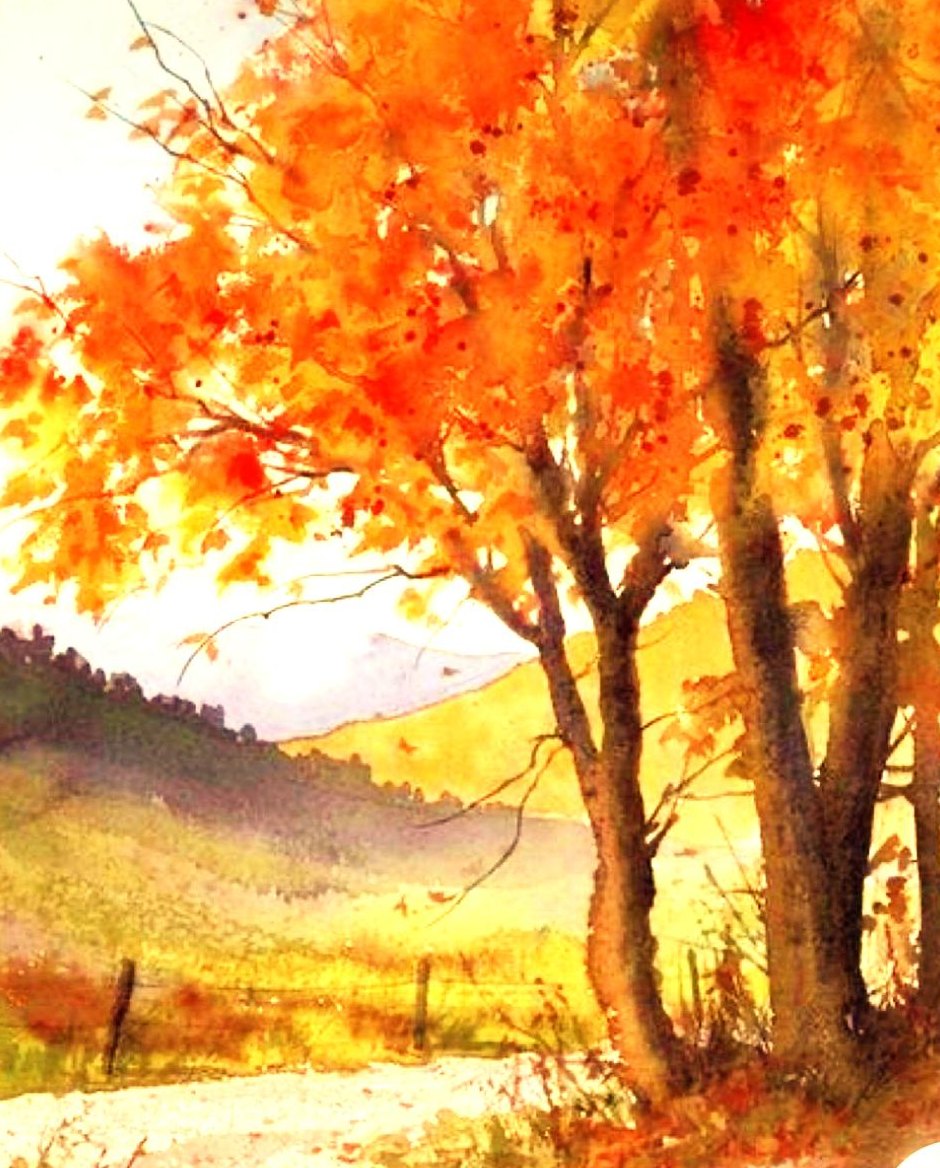
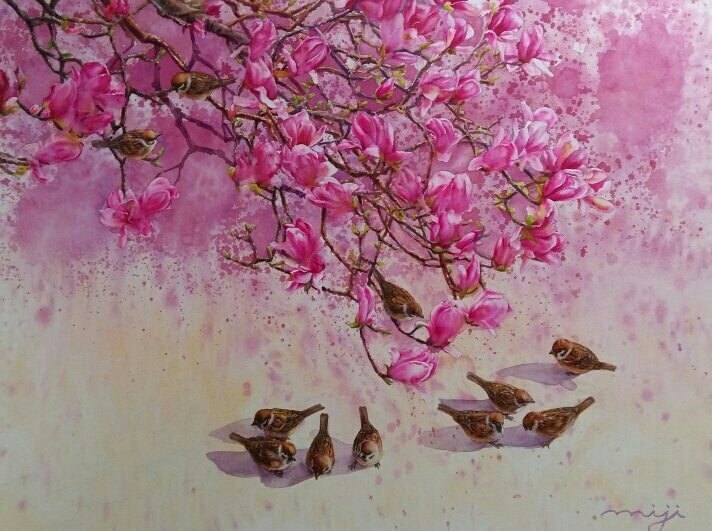
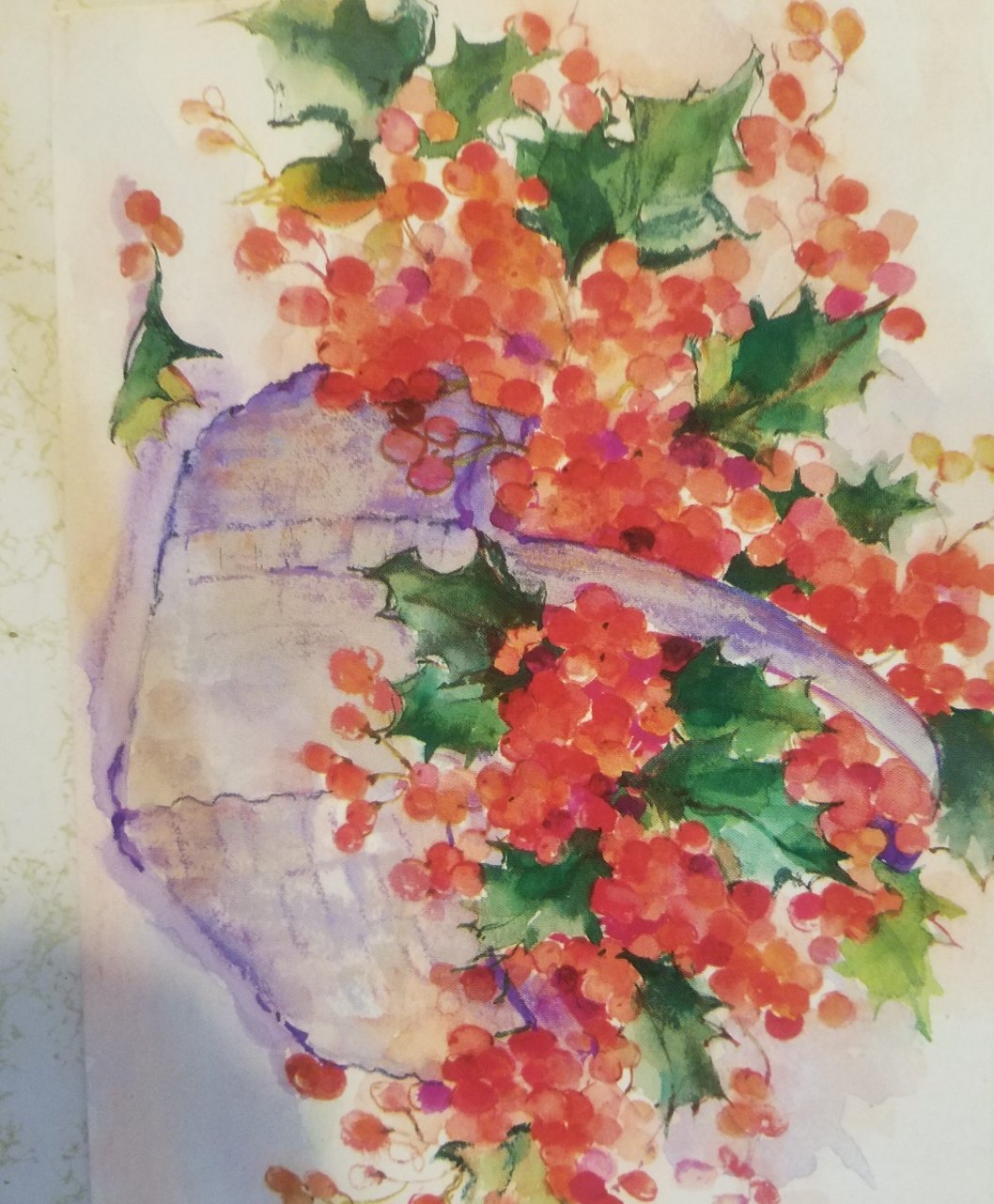
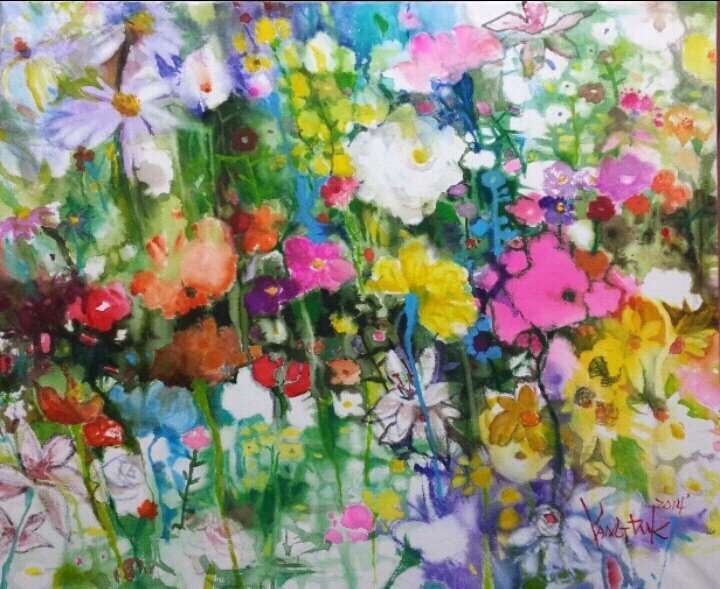
Complete beginners and people returning after years away. Choose watercolor, oil or acrylic, or move between them. Everyone works at their own pace.
An unhurried pace, good lighting, and comfortable seated work. As much a place to talk and be among people as to paint. Most students here are starting art for the first time.
Pencil, charcoal, conté. Line, proportion, value, perspective, and learning to look. The starting point for every other medium.
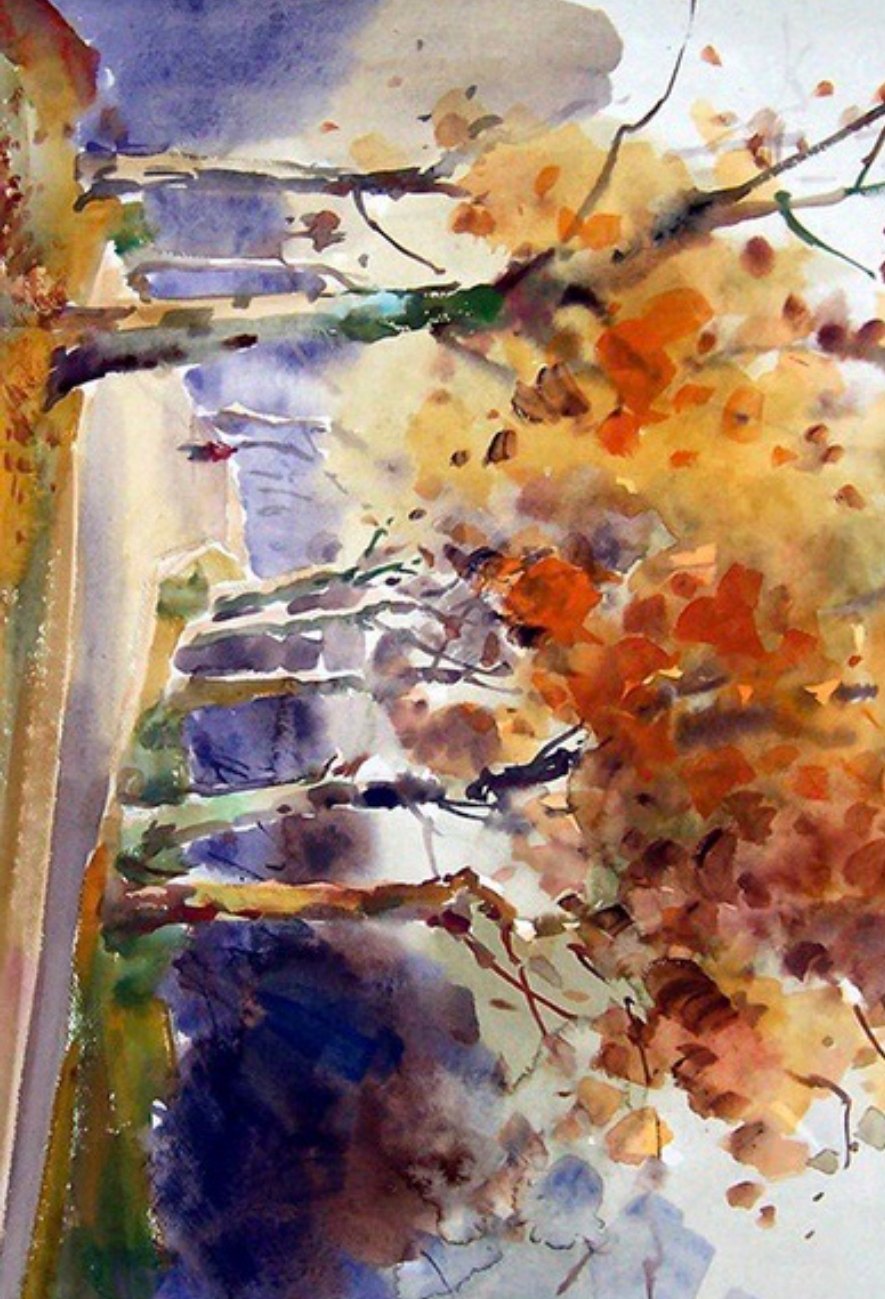
Controlling water, layering washes, and knowing when to leave the paper alone. The medium that looks easiest and is hardest to control.
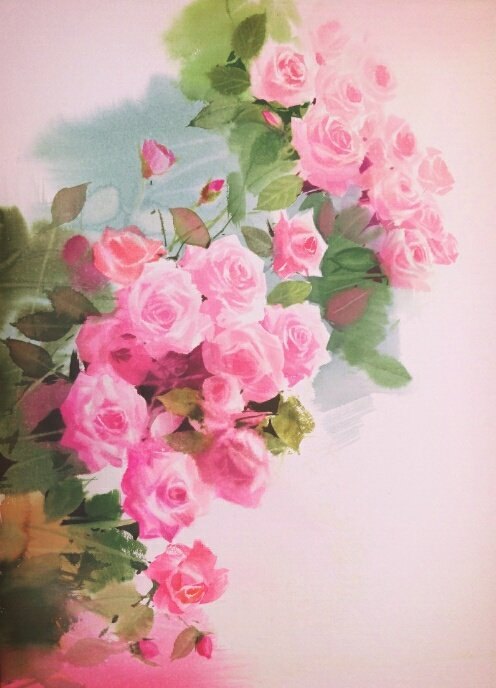
Mixing color, brushwork, and building in layers. Because it dries slowly, oil is surprisingly forgiving for a beginner — you can keep correcting.
Fast-drying and low-odor, so it is easy to continue at home. Can be worked thick like oil or thin and transparent like watercolor.
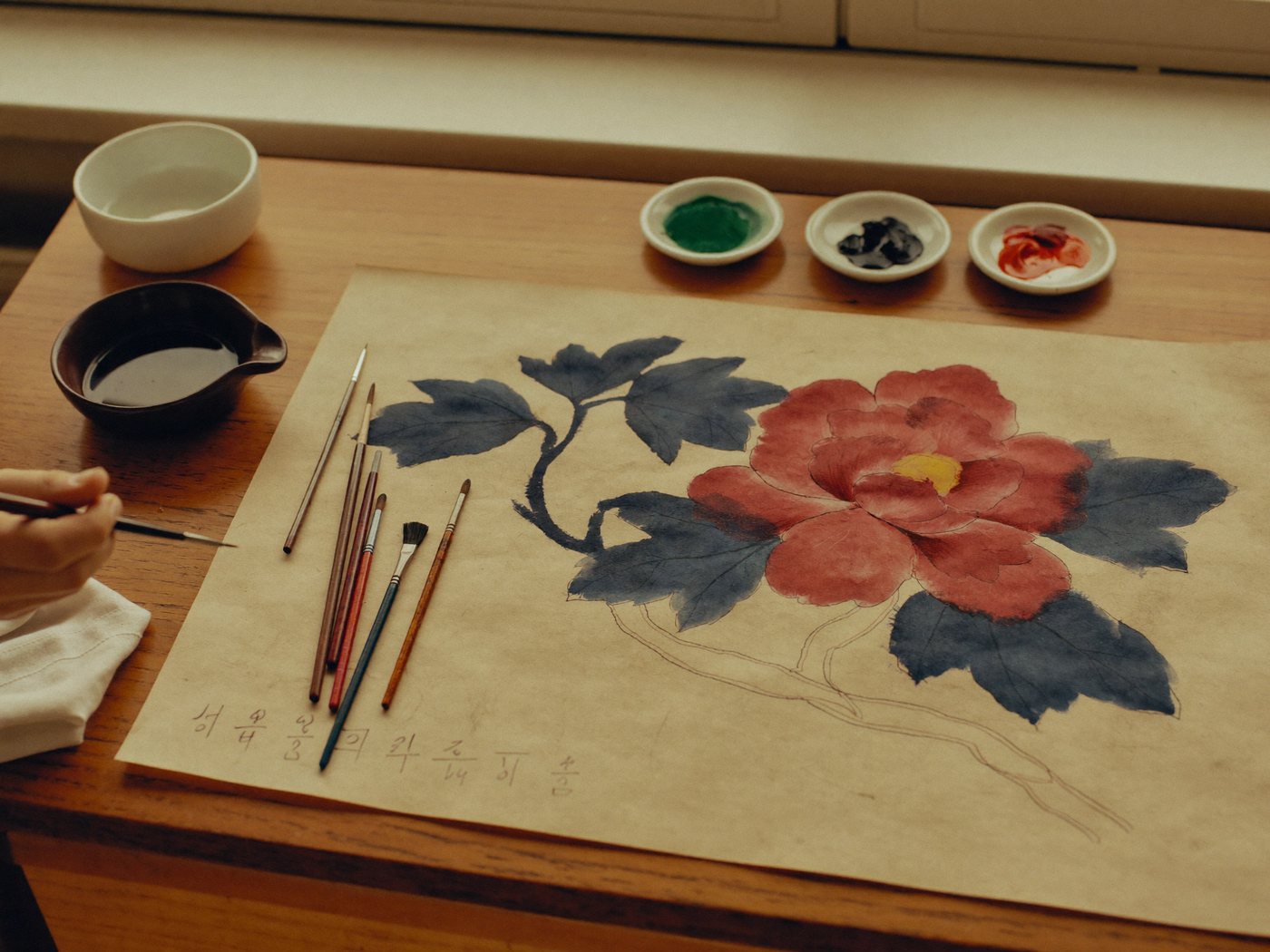
Peonies, chaekgeori bookshelf scenes, bird-and-flower compositions, the ten symbols of longevity. You learn the pigments and the brush discipline — and also why these images were painted and what each was meant to wish for.
Subject matter runs across every medium — arranging a still life, human proportion, and building depth in a landscape.
Minhwa is the folk painting of Joseon-era Korea — made not by court painters but by unnamed artists, for ordinary households, to wish for long life, a child's success, or peace in the home. That is why it is free with its rules, bold with its color, and often quietly funny.
For students who grew up in Korea it is a picture they half-remember from childhood. For second-generation students it is a way to learn their own culture with their hands. Either is a good reason to start.
Bring nothing to the first class. Once we know what medium you want to work in we give you a list and tell you where to buy it. We start people with the minimum so the initial cost is not a barrier.
That is the most common starting point. The majority of our adult students begin with no experience whatsoever. The first class starts with drawing a line. It is not a room where people are compared to one another.
Ideally at least a year before the application deadline — a strong portfolio comes from accumulated work, not a handful of finished pieces. That said, if you are short on time, come and talk to us and we will build the best plan the calendar allows.
It varies by class and group, and we run a flexible schedule. Call 201-887-6388 or send an inquiry and we will tell you which classes are currently running and what they cost.
Yes. Art classes run comfortably in both Korean and English — speak whichever you prefer.
Come and look at the studio. You are welcome to watch a class before deciding.